Gathering Ground
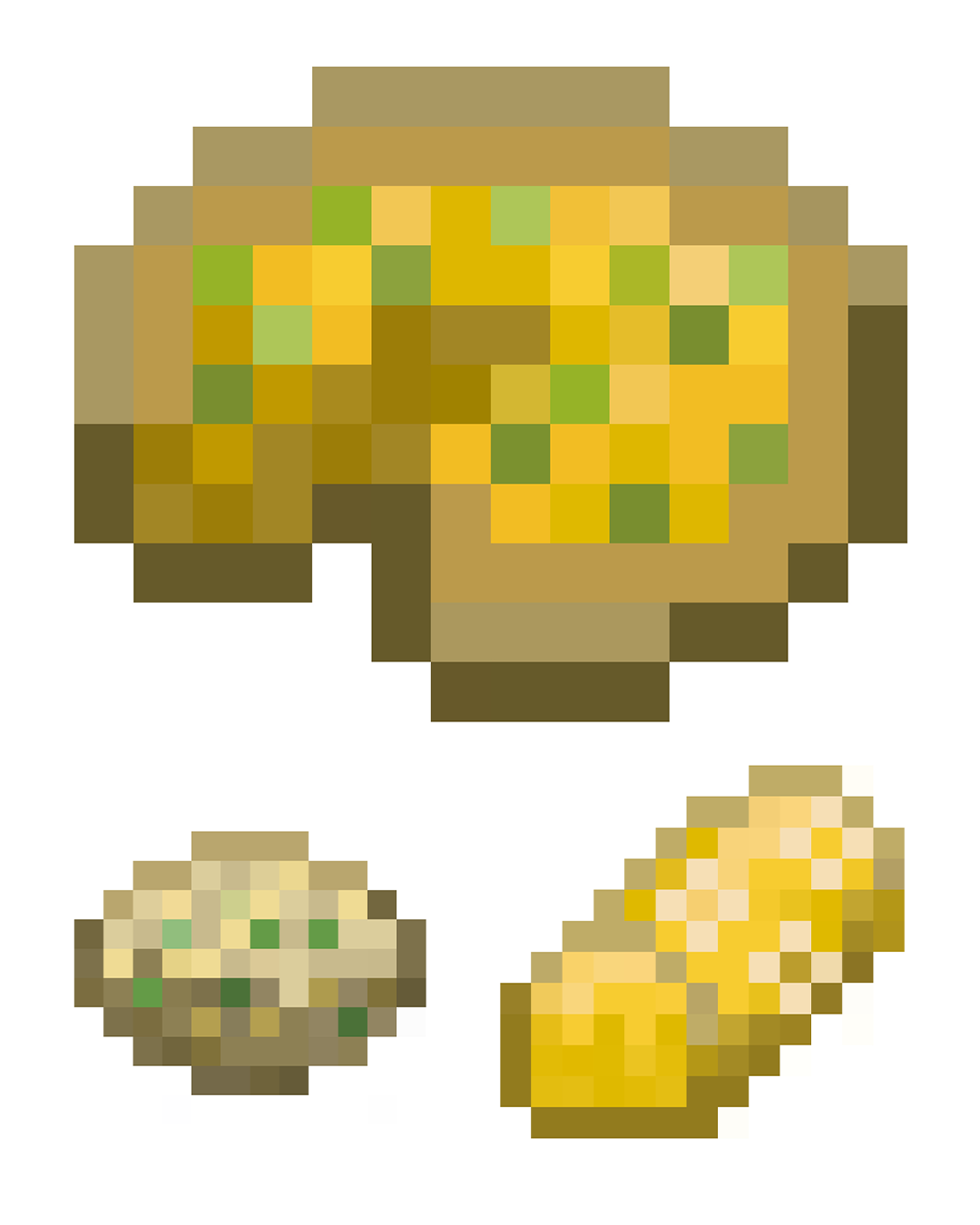
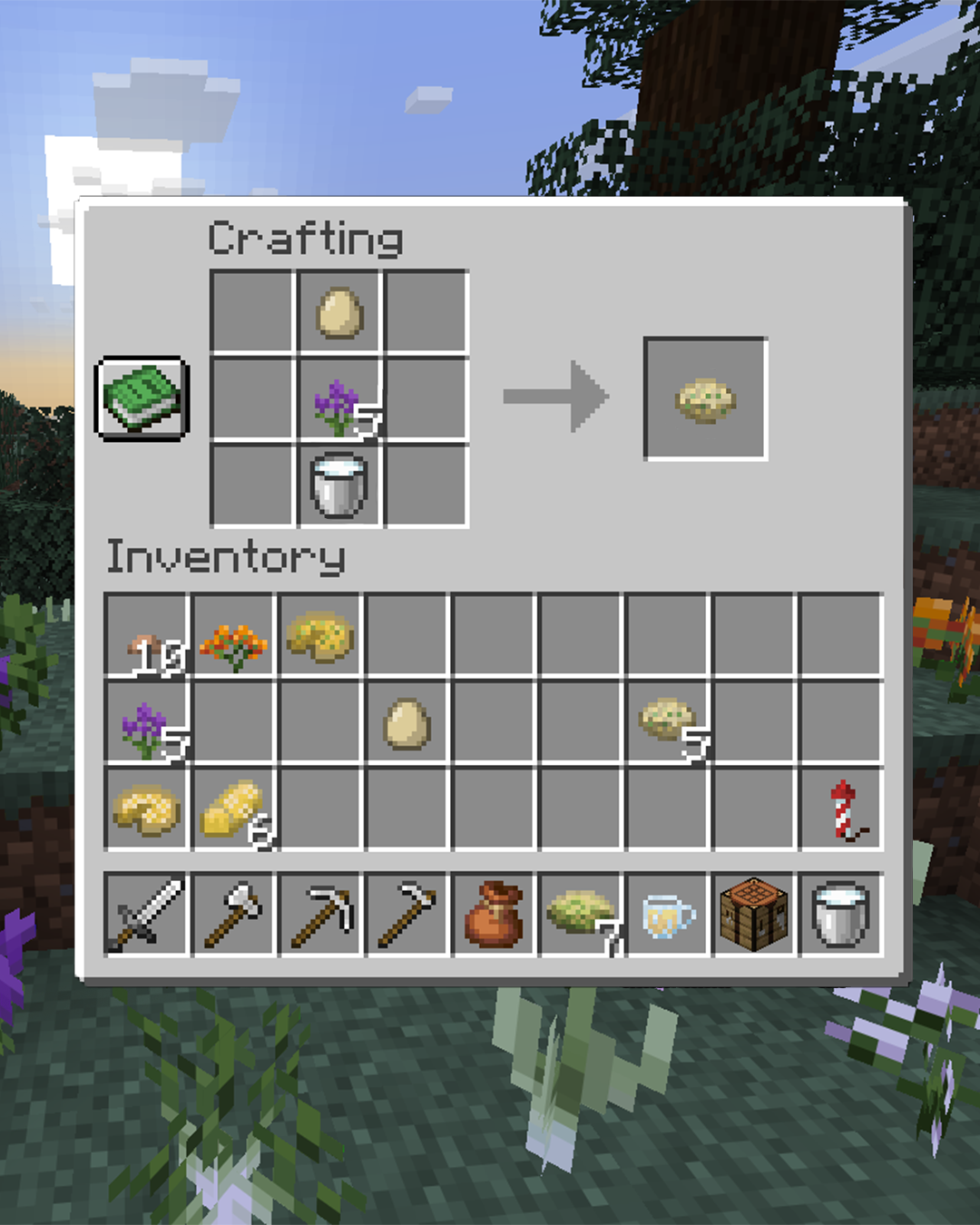
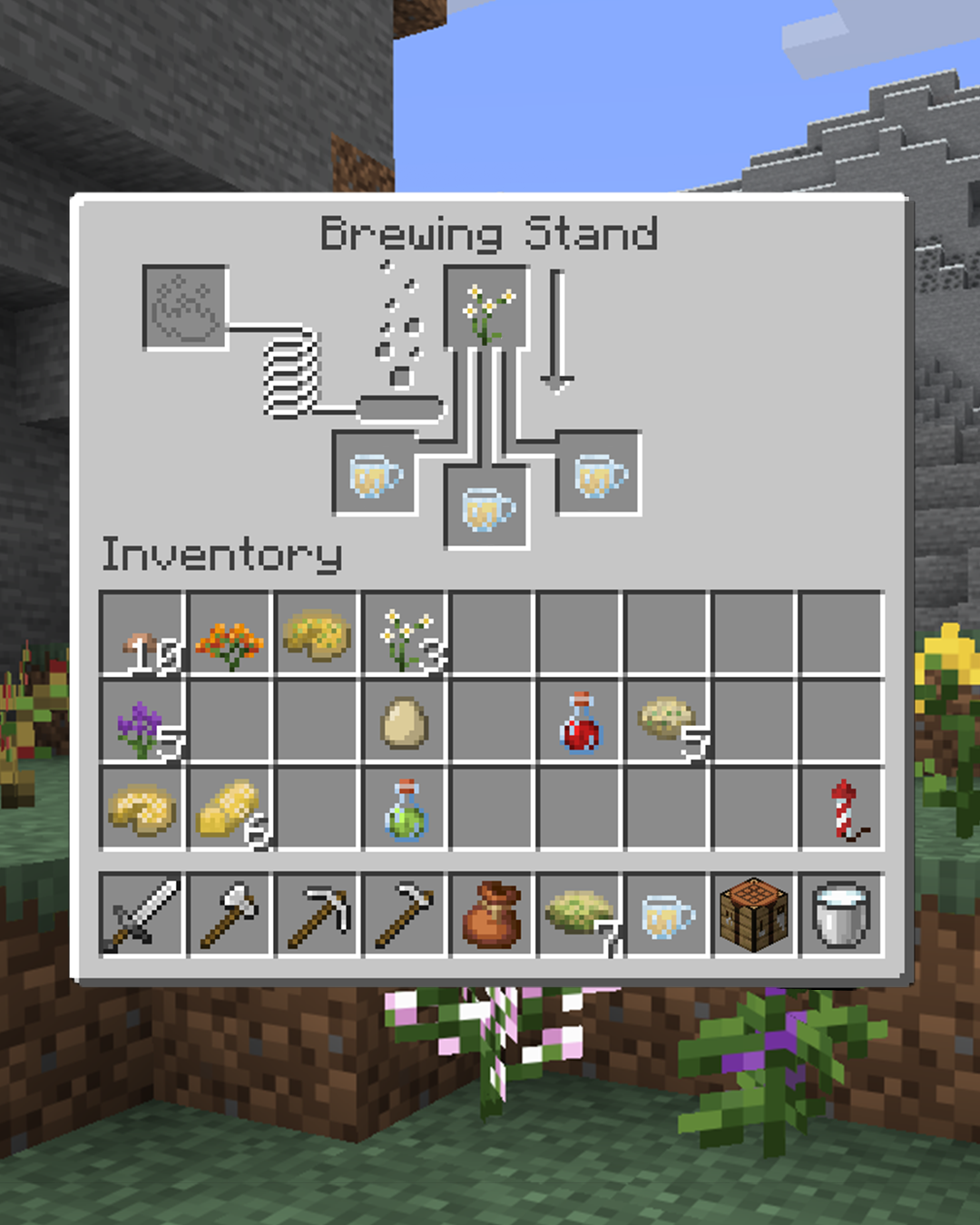
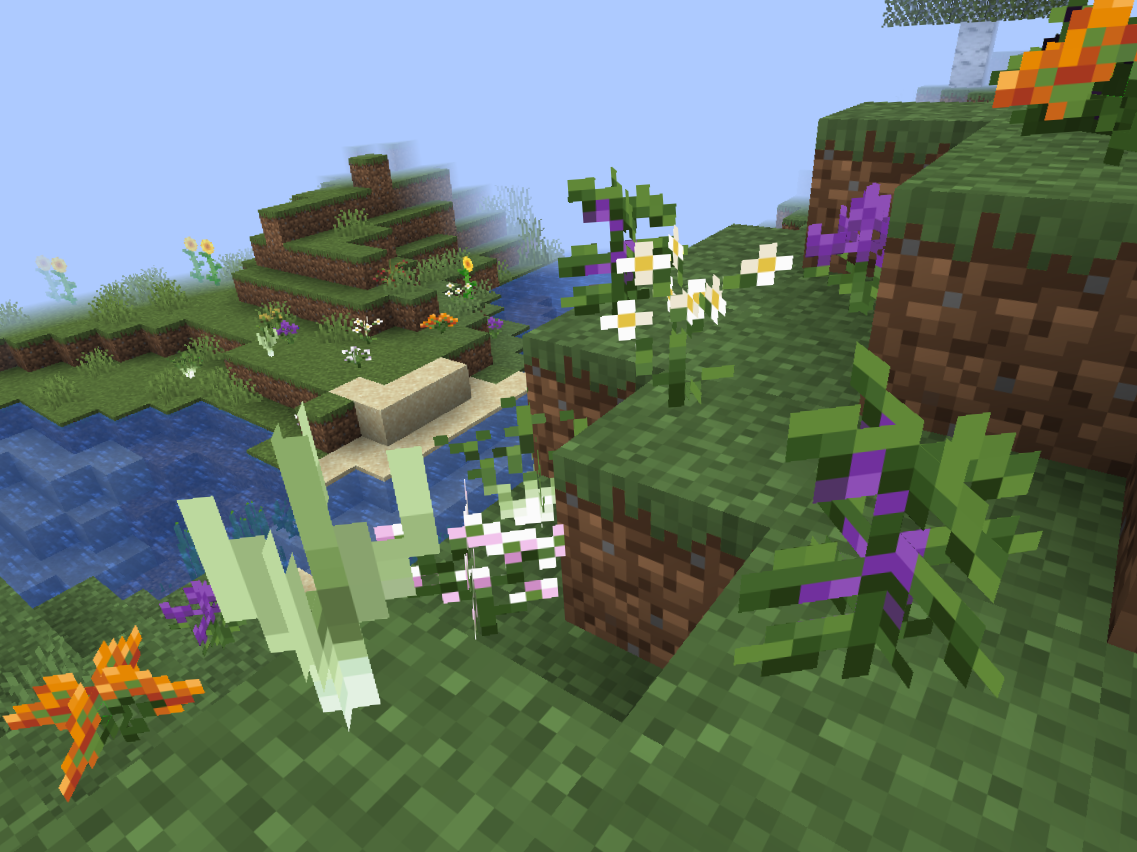
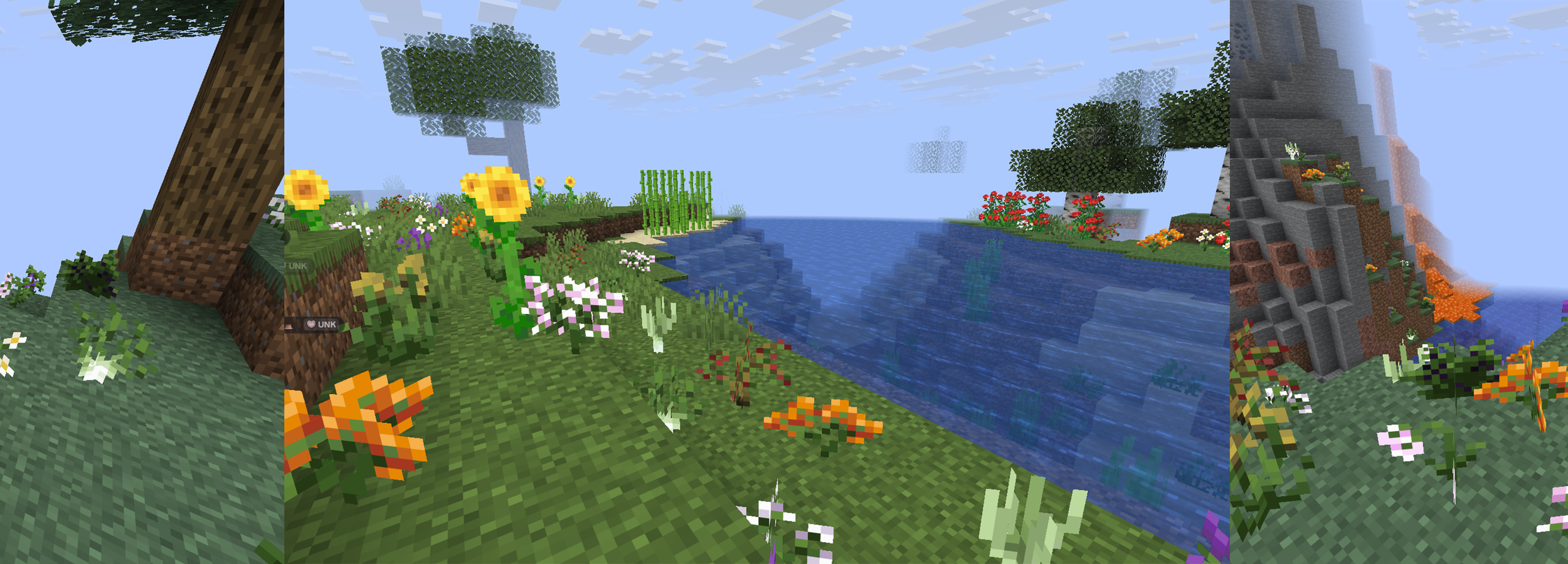
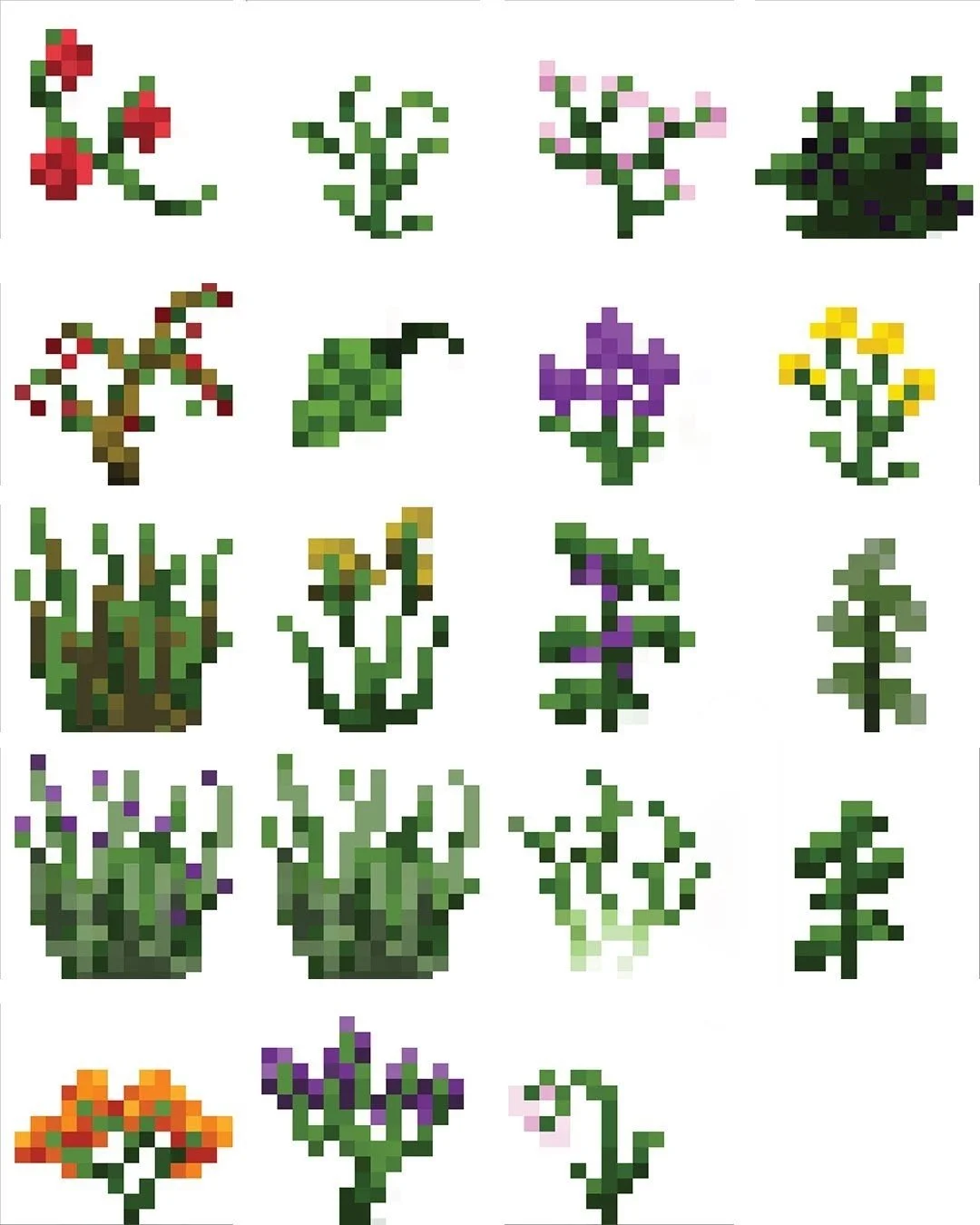
This project, developed in collaboration with Liam Landerloos, is a Minecraft mod that adds plants from Flanders, Belgium, with a focus on the Limburg region, into the game. The plants show up in the world as you play, just like other in-game plants. Each one is based on a real plant that grows in this region and is connected to ways people already use it. The plants work through game mechanics that decide how they grow, when you can harvest them, and what you can do with them, like crafting or cooking. Instead of being explained upfront, players learn how each plant works by using it over time.
How the plants behave in the game is based on different kinds of plant knowledge. This includes practical things like agriculture, gardening, and foraging, but also older cultural and historical practices from Central Europe. These references influence how the plants are perceived in the game and how players interact with them.
Actions like cooking or following plant-based recipes are translated into things you can do in the game. These actions are based on practices that also exist outside the game. By working with similar actions in both places, the mod creates a space where digital interaction and physical practice grow alongside each other. In this way, the mod works like a virtual berry-picking ground. Players learn to notice plants, gather them, and work with them through repeated interaction with the game world. Over time, this can lead to new relations with plants and new ways of understanding how they are used.
How can foraging practices exist across digital and physical contexts through shared actions and routines?
How can berry-picking be translated into a digital game environment as a relational practice, rather than just a way to gather resources?
The Minecraft mod is currently in development
and has not yet been publicly released.
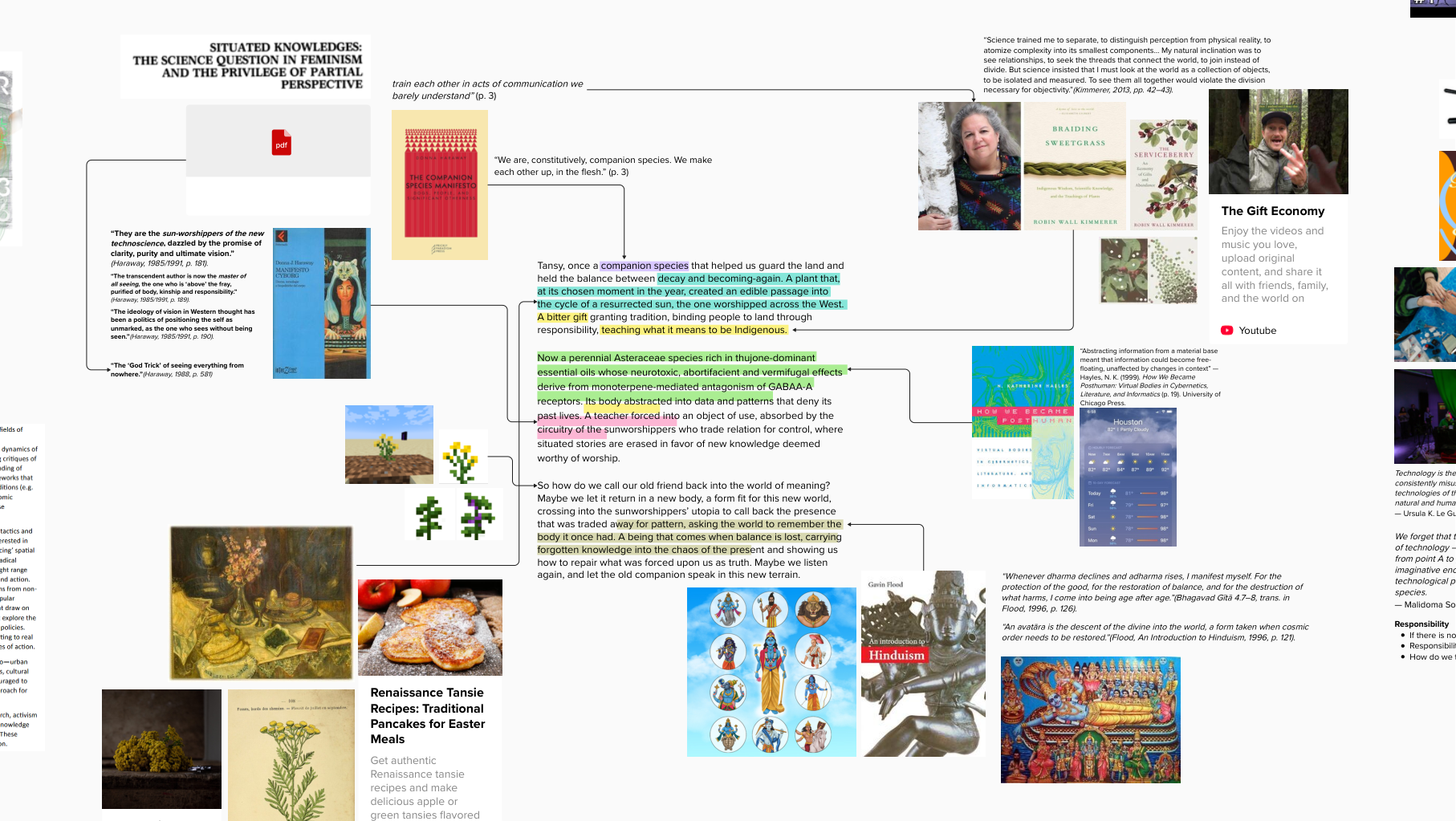
Knowledge develops somewhere. It does not appear from nowhere. What Donna Haraway calls “situated knowledges” and what Robin Wall Kimmerer writes about in Braiding Sweetgrass both point to this. Understanding comes from staying with something over time. It grows through daily practice, attention, and involvement. It cannot be separated from the place and the relationships that shape it.
Kimmerer writes that “Science and traditional knowledge may ask different questions and speak different languages, but they may converge when both truly listen to the plants” (2013, p. 165). She is critical of forms of botany that only ask “What is it?” or “How does it work?” instead of asking how we are in relation to what we study. Knowledge, for her, stays connected to responsibility and to lived experience.
The Minecraft mod works from this position. Plant knowledge is not explained upfront. Players learn through doing. They grow, harvest, replant, cook, and repeat. By using the farming systems that already exist in Minecraft, the mod lets knowledge develop through everyday interaction inside the game. What players understand about a plant comes from spending time with it.
The project also connects the game to physical practice. Recipes made in Minecraft can be made outside the game with the same plants. The routine continues beyond the screen. In that way, plant knowledge does not become abstract information. It stays tied to use and to repetition.
The mod does not try to generalize plant knowledge. It stays with specific plants and with local histories. Culture forms through ongoing interaction — through tending, cooking, and staying involved over time.
Positioning